
Elizabeth Burkholder
Tucson, Arizona, USA
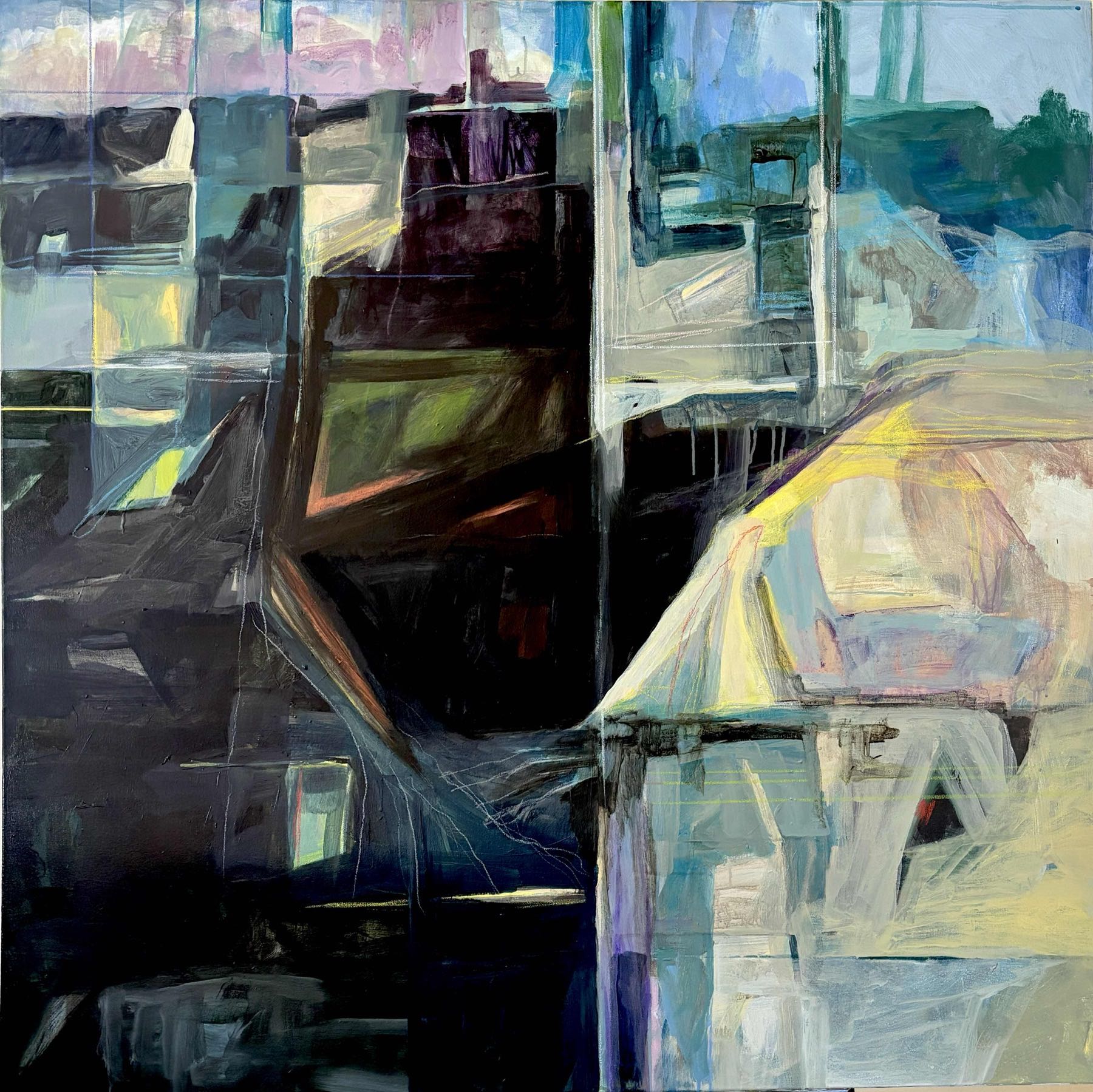
E Burkholder_Lacken Dunes_Acrylic_20x20
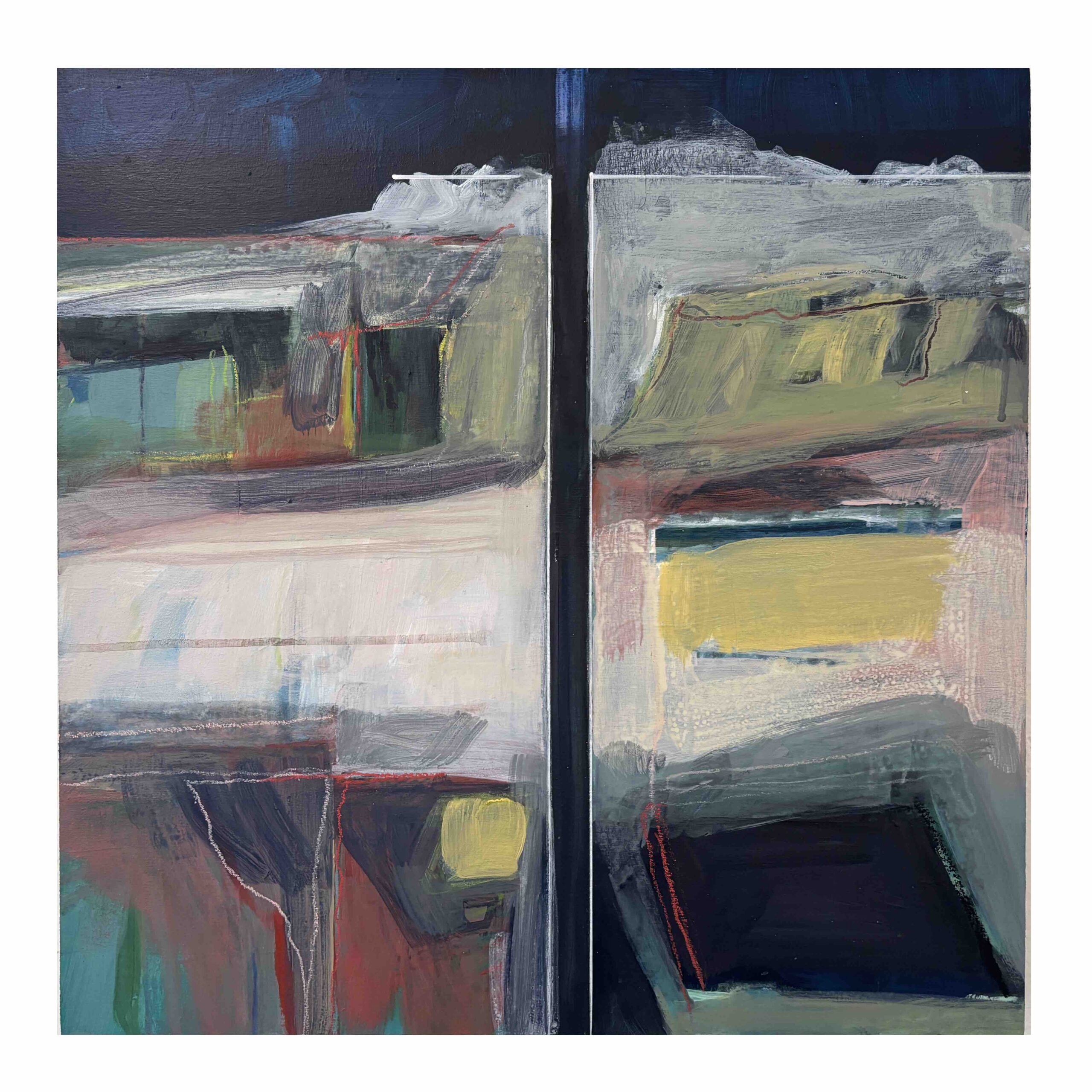
E-Burkholder_Reflections_Acrylic_20x20-scaled.jpeg
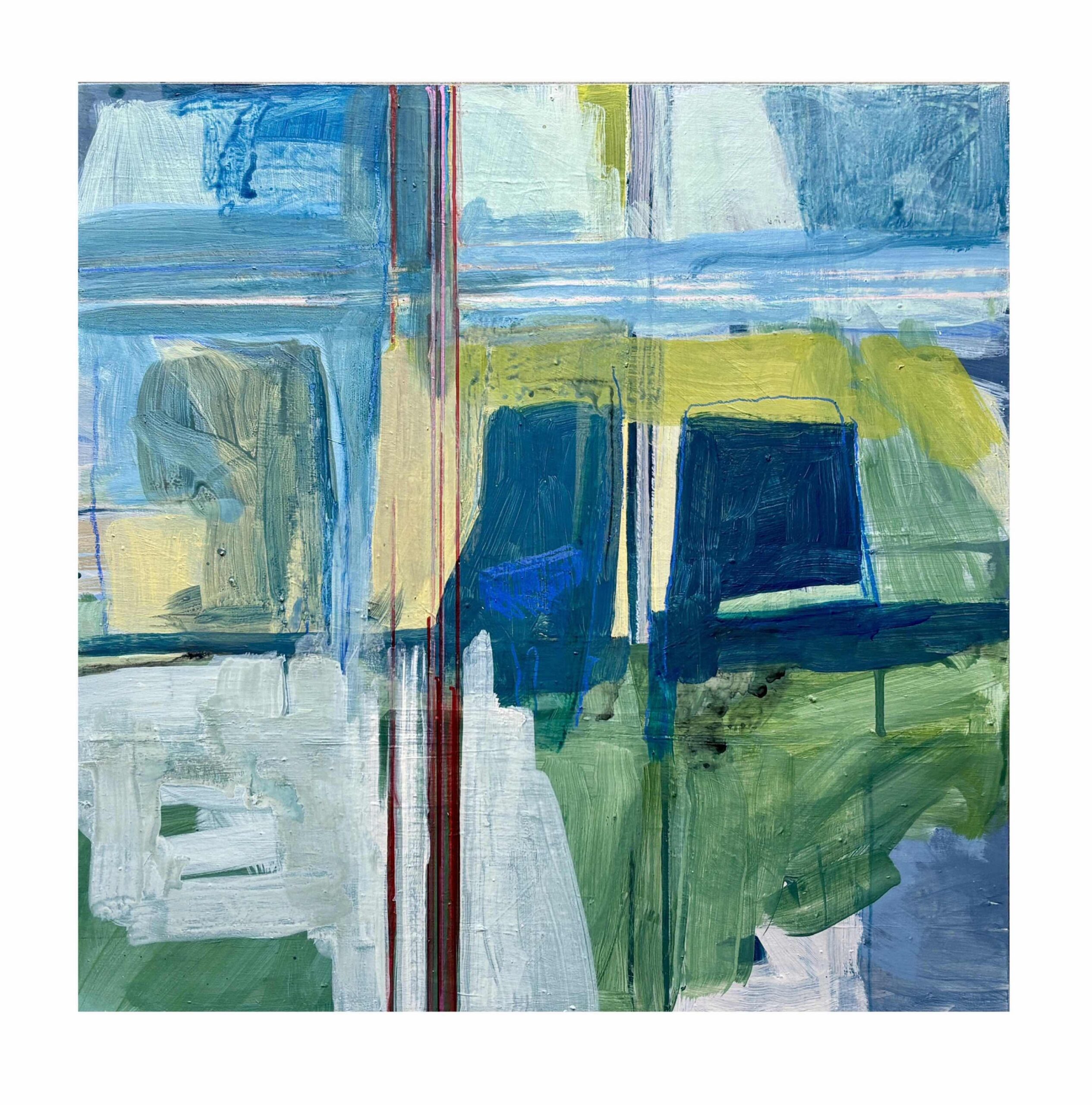
E-Burkholder_SEASTACKS_acrylic_20x20-scaled.jpeg
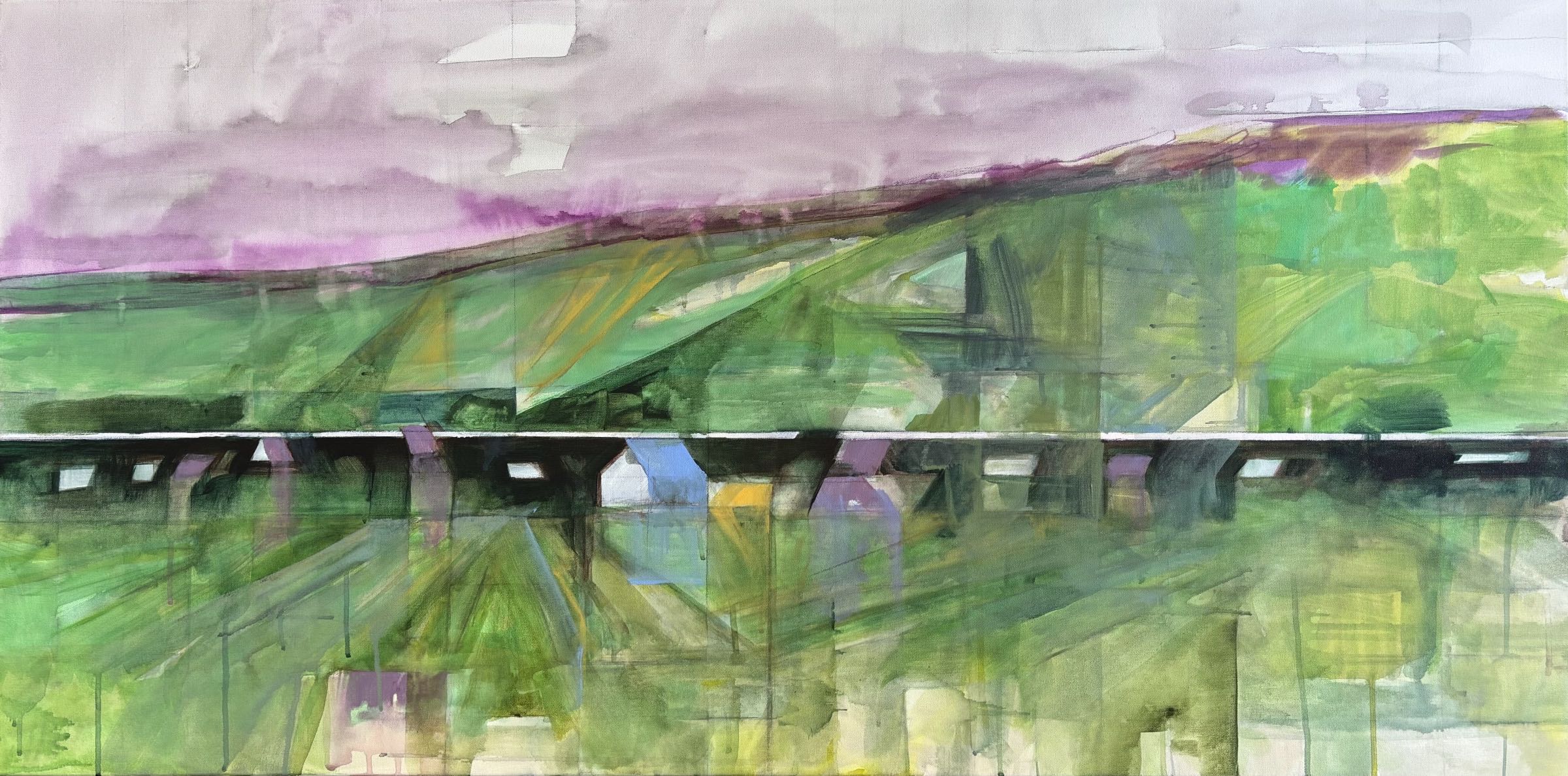
E-Burkholder_Bog-Houses_Acrylic_24x36.jpeg
Biography
I paint to explore the space in myself where intuition and intellect come together. Art is the way I understand what I am seeing, thinking and feeling about the visual world around me. I start with structure - the intellect - and work layers of colors and textures intuitively on top of each other until forms appear. Eventually the artwork and I arrive at a resolution and the result is often very personal.
Education
1980 BFA from Virginia Commonwealth University Richmond, VA – Major in Sculpture, Minor in Painting
1986 JD from George Mason University School of Law Alexandria, VA
Numerous workshops in encaustic painting and printmaking, drawing, plein air and studio painting
2020, 2021, 2022, 2023 – Workshops at Ballinglen Art Foundation Ballycastle, Mayo, Ireland
From 1980 to present I have been working in the mortgage business, getting married and raising two children.
Awards/Shows
1972 - Seventeen Magazine – a finalist selected from two thousand entries to provide a story illustration.
1977-1980 – Shows at Anderson Gallery and Ann Kay Gallery in Richmond Virginia
1979 – Juror’s award BFA show Anderson Gallery, Richmond VA
1980 – 11 Directions – curated and exhibited Anderson Gallery, Richmond, VA
2004 – Juried Show Palm Springs Art Museum
2004-2009 – As a member of an Encaustic Artists group I participated in several local juried shows in Tucson and Tubac AZ.
2009 – Juried Show and Permanent collection at the Encaustic Art Institute in NM
2024 – Juried Show “Works on Paper” McNeese State University
Statement
My paintings are about the landscape. But they are not the landscape.
Trying to represent the whole landscape as I see it, in all its dimensions and changing conditions would be impossible. A tedious rendering of a landscape with all the details would not bring the viewer closer to what I feel and see.
I observe the landscape in parts; shapes and forms that are not a whole. I see conflicting aspects of the landscape pulling back and forth. A mountain appears as a flat piece of dark paper against a white background when I observe it but the next minute it is fully dimensional with shadows that move with the sun and clouds. I observe the wind, the air, the shadows, the sun or moonlight, fields of grass waving and a silence that comes without people.
Using icons – such as a red line, or a grid or other object that doesn’t seem to belong - I tell the viewer that this is not a landscape. It is a painting. My icons both contradict the space and also create the space. They are in front of the space but also behind objects. The icon negates the representational space. And that is the question for the viewer. “Why is this red line here?” With that the viewer knows this is not a landscape at all – but is a painting of a moment in time that cannot happen again.
The icon carries the true meaning of the painting – that we, humans, cannot capture the essence of nature at all but the artist can describe it and ask the viewer to leap into a place and time they remember that stopped existing the moment it passed.